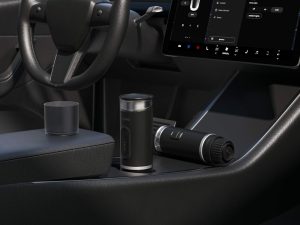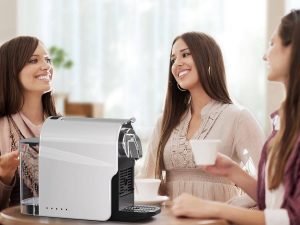
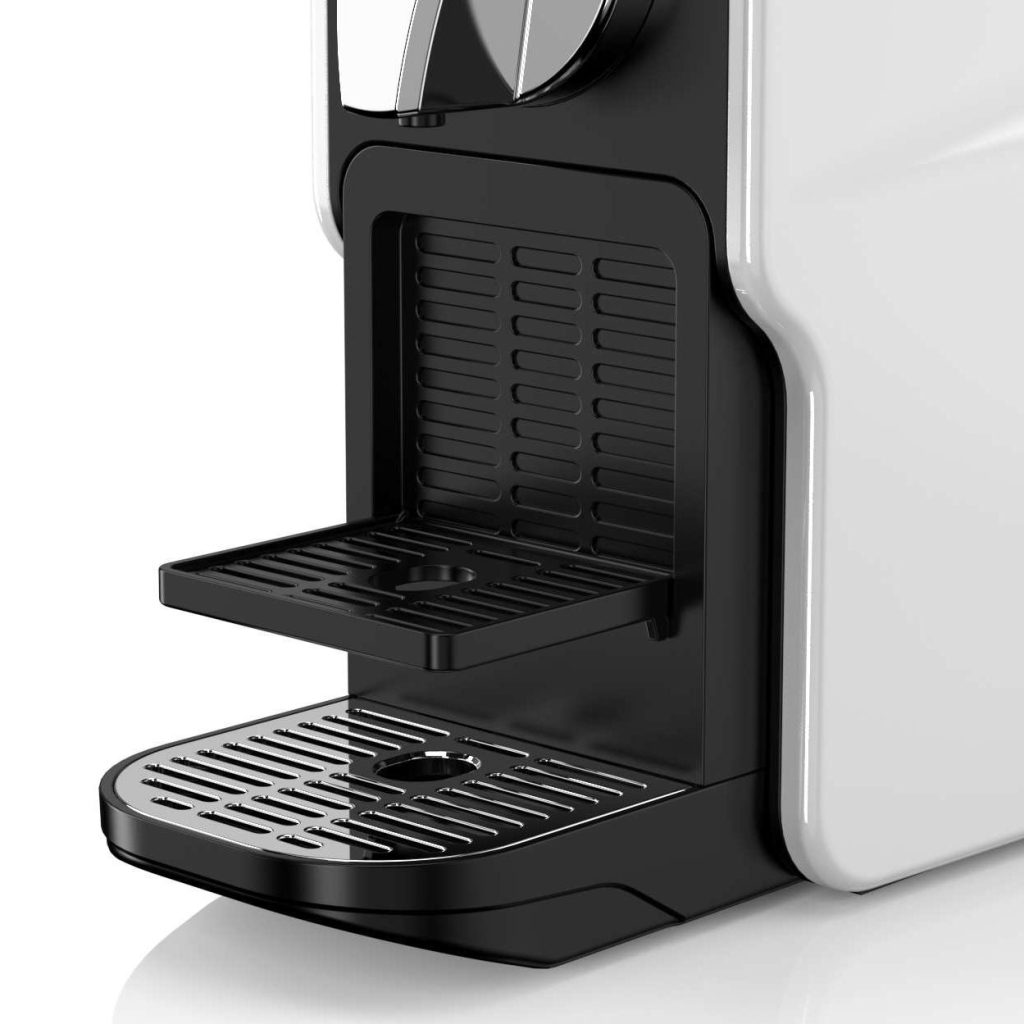
A home coffee machine has become a common kitchen appliance for modern households. Many people now want café-style coffee without leaving home. According to industry reports, over 45 million households in North America use single-serve coffee machines, showing how popular home brewing has become. From compact capsule systems to semi-automatic espresso machines, consumers are looking for convenience, better coffee quality, and long-term savings.
Different buyers also have different priorities. Some want an affordable and simple solution, while others focus on premium coffee experiences and smart brewing features. Brands like KONMO offer multiple home coffee machine options, including capsule coffee machines, compact espresso models, and semi-automatic systems designed for everyday home use.
Key Takeaways
- A home coffee machine saves time by letting you brew coffee at home instead of waiting in café lines.
- You can customize coffee strength, milk type, temperature, and flavor based on your preferences.
- Brewing coffee at home can save over $1,000 per year compared with daily coffee shop purchases.
- Different coffee machines fit different lifestyles, budgets, and kitchen sizes.
- Choosing the right home coffee machine depends on your coffee habits, space, and maintenance expectations.
Benefits Of A Home Coffee Machine
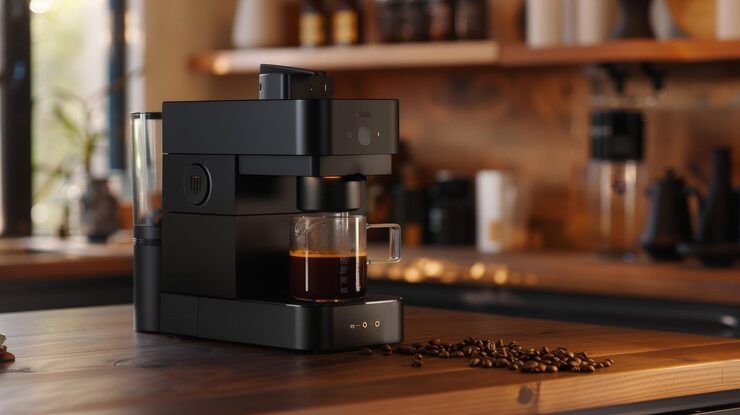
How A Home Coffee Machine Saves Time Every Day
A home coffee machine simplifies busy mornings. Instead of driving to a café or standing in line, you can prepare coffee in minutes while getting ready for work or school. Many modern machines include programmable timers and fast-heating systems that reduce waiting time.
For example, some capsule coffee machines can brew a cup in under 60 seconds. Semi-automatic espresso machines with dual thermoblock systems also heat quickly, helping users prepare espresso and milk simultaneously.
Tip: Preparing water and coffee beans the night before can make your morning routine even faster.
Better Coffee Quality With A Home Coffee Machine
One major advantage of owning a home coffee machine is better control over coffee quality. You can choose fresh beans, adjust grind size, and customize brewing settings based on your taste preferences.
Compared with basic drip coffee makers, espresso machines and bean-to-cup systems offer more precise extraction control. Features like PID temperature control help maintain stable brewing temperatures, which improves flavor consistency.
Many KONMO espresso machines focus on stable pressure and temperature systems to help users create café-style coffee at home.
Drink Customization And Brewing Flexibility
A home coffee machine allows more flexibility than ordering standard café drinks. You can:
- Adjust coffee strength and extraction time
- Use dairy or plant-based milk
- Reduce sugar and syrups
- Brew espresso, americano, latte, or cappuccino
- Customize drink size and temperature
This level of personalization is especially useful for households with different coffee preferences.
More Beverage Options Beyond Basic Coffee
Modern home coffee machines can prepare far more than regular black coffee. Depending on the machine type, users can make:
- Espresso
- Cappuccino
- Latte
- Americano
- Cold brew
- Milk-based drinks
- Hot water for tea
Compact capsule systems are popular for convenience, while semi-automatic machines provide greater control for espresso enthusiasts.
Home Coffee Machine Cost Comparison
Initial Cost Of Buying A Home Coffee Machine
Home coffee machines are available across multiple price ranges:
| Price Range | Typical Machine Type |
|---|---|
| $50–$150 | Basic drip or capsule coffee machines |
| $150–$400 | Mid-range automatic or espresso models |
| $400–$700 | Advanced bean-to-cup or espresso machines |
| $700+ | Premium home espresso systems |
Entry-level machines are suitable for casual coffee drinkers, while higher-end machines offer better temperature stability, milk frothing, and brewing control.
Ongoing Costs: Coffee Beans, Capsules, Cleaning, And Maintenance
Besides the machine itself, users should also consider long-term operating costs.
Capsule systems are convenient but often cost more per cup. Some estimates show capsule coffee can exceed $600 annually for daily users, while whole-bean coffee may cost closer to $150–$250 per year.
Regular cleaning is also important. Descaling solutions, filters, and replacement accessories help maintain machine performance and coffee flavor.
Comparing Home Coffee Machine Costs Vs Coffee Shop Spending
Buying coffee every day becomes expensive quickly.
| Expense | Coffee Shop | Home Brewing |
|---|---|---|
| Daily Cost | $3–$5 | $0.50–$1 |
| Monthly Cost | $90–$150 | $15–$30 |
| Yearly Cost | $1,080–$1,800 | $180–$360 |
A user purchasing one latte daily could spend over $1,400 yearly at cafés. Brewing similar drinks at home may reduce annual costs by over $1,000.
Long-Term Savings Of A Home Coffee Machine
Although espresso machines require a higher upfront investment, they often provide better long-term value for frequent coffee drinkers. Users who brew coffee daily can recover the machine cost within one to two years through reduced café spending.
Bean-to-cup and semi-automatic systems also reduce reliance on expensive coffee pods.
Real-Life Home Coffee Machine Cost Scenarios
Real-world coffee costs depend on how often you drink coffee and what type of machine you use. While some people recover the machine cost quickly, others may take longer depending on their habits and maintenance expenses.
Here are a few common examples:
| User Type | Coffee Habit | Estimated Yearly Coffee Shop Cost | Estimated Home Brewing Cost |
|---|---|---|---|
| Office Worker | 1 latte per day | $1,400+ | $300–$500 |
| Couple | 2 milk coffees daily | $2,500+ | $600–$900 |
| Casual Coffee Drinker | 2–3 coffees weekly | $400–$700 | $150–$250 |
| Espresso Enthusiast | Specialty drinks daily | $2,000+ | $500–$800 |
For example, a user buying a $5 latte every weekday spends around $1,300 to $1,500 annually at coffee shops. A semi-automatic home coffee machine with whole beans can reduce the average cost per cup to under $1.
However, it is important to consider hidden expenses when calculating total ownership costs. These may include:
- Water filters and descaling products
- Electricity usage
- Replacement accessories
- Coffee bean upgrades
- Occasional repair or maintenance costs
- Wasted coffee during the learning process
For many households, especially daily coffee drinkers, a quality home coffee machine becomes more cost-effective after the first year. Models from KONMO are designed for long-term home use, helping users balance brewing quality, convenience, and operating costs more efficiently.
Who Should Buy A Home Coffee Machine
Why Daily Coffee Drinkers Benefit From A Home Coffee Machine
People who drink coffee every day gain the most value from a home coffee machine. It improves convenience, lowers long-term costs, and provides more drink customization.
For remote workers, home brewing also saves commuting time and makes coffee breaks easier throughout the day.
Is A Home Coffee Machine Worth It For Espresso Lovers?
Espresso enthusiasts usually prefer machines with more brewing control. Semi-automatic espresso machines allow users to adjust grind size, extraction time, and milk frothing techniques.
Compared with coffee shop drinks, home espresso machines offer:
| Aspect | Home Espresso | Coffee Shop |
|---|---|---|
| Customization | High | Limited |
| Cost Savings | High | Low |
| Convenience | Moderate | High |
| Personalization | Excellent | Standardized |
Brands like KONMO provide semi-automatic espresso systems suitable for home users seeking café-style coffee experiences.
Best Home Coffee Machine Options For Families And Couples
Families often prefer machines with:
- Larger water tanks
- Fast brewing systems
- Simple controls
- Programmable timers
- Easy cleaning features
Compact automatic systems are practical for households where multiple people drink coffee daily.
Should Occasional Coffee Drinkers Buy A Home Coffee Machine?
Occasional coffee drinkers may not need expensive espresso systems. Compact capsule machines or entry-level coffee makers are usually more practical because they require less maintenance and preparation time.
Downsides Of Owning A Home Coffee Machine
Upfront Investment And Maintenance Requirements
Premium espresso machines can be expensive initially. In addition to the machine cost, users must budget for coffee beans, cleaning products, filters, and occasional maintenance.
Daily cleaning also takes time, especially for milk frothing systems.
Kitchen Space And Cleaning Effort
Some home coffee machines require significant counter space, especially bean-to-cup systems with grinders and milk frothers. Small kitchens may benefit more from compact capsule coffee machines.
The Learning Curve Of Using A Home Coffee Machine
Manual and semi-automatic espresso machines often require practice. New users may need time to learn:
- Proper grind size
- Tamping pressure
- Milk frothing
- Extraction timing
However, many coffee enthusiasts enjoy this hands-on brewing process.
Common Problems Home Coffee Machine Users Face
Even a high-quality home coffee machine can develop problems if it is not cleaned or used properly. Understanding these common issues helps users improve coffee quality and extend machine lifespan.
Inconsistent Coffee Flavor
One of the most common complaints is coffee that tastes too bitter, sour, or weak. This usually happens because of incorrect grind size, unstable brewing temperature, or poor-quality beans. Using stale coffee beans can also reduce flavor and aroma significantly.
For espresso machines, even small changes in extraction time can affect taste. A shot extracted too quickly may taste sour, while over-extraction often creates bitterness.
Limescale And Mineral Buildup
Hard water gradually creates mineral buildup inside the machine. Over time, this can reduce water flow, affect brewing temperature, and damage internal components.
Most manufacturers recommend descaling every 1–3 months depending on usage frequency and local water quality. Regular maintenance helps keep coffee flavor stable and protects long-term machine performance.
Steam Wand And Milk Frother Issues
Milk systems require frequent cleaning. If milk residue remains inside the steam wand, users may notice:
- Weak steam pressure
- Poor milk foam texture
- Unpleasant odors
- Blocked steam nozzles
Cleaning the steam wand immediately after use helps prevent buildup and bacteria growth.
Capsule And Pod Cost Problems
Capsule coffee machines are convenient, but many users later realize the long-term cost per cup is relatively high. Some pod systems also limit coffee variety and create additional packaging waste.
For frequent coffee drinkers, bean-to-cup or semi-automatic espresso machines are often more economical over time.
Machine Noise And Brewing Pressure Changes
As machines age, pumps and grinders may become louder or less consistent. Low brewing pressure can result in weak espresso extraction and poor crema formation.
Machines with stable pressure systems and better internal components usually perform more consistently over time. Many KONMO espresso machines focus on pressure stability and temperature consistency to improve long-term home brewing performance.
Cleaning And Maintenance Neglect
Many users underestimate how important regular maintenance is. Dirty drip trays, clogged filters, and unclean brewing systems can quickly affect both machine reliability and coffee taste.
A simple maintenance routine usually includes:
- Daily rinsing and wiping
- Weekly deep cleaning
- Regular descaling
- Replacing water filters when needed
Proper care not only improves coffee flavor but can also help a home coffee machine last 5–10 years or longer.
How To Choose The Right Home Coffee Machine
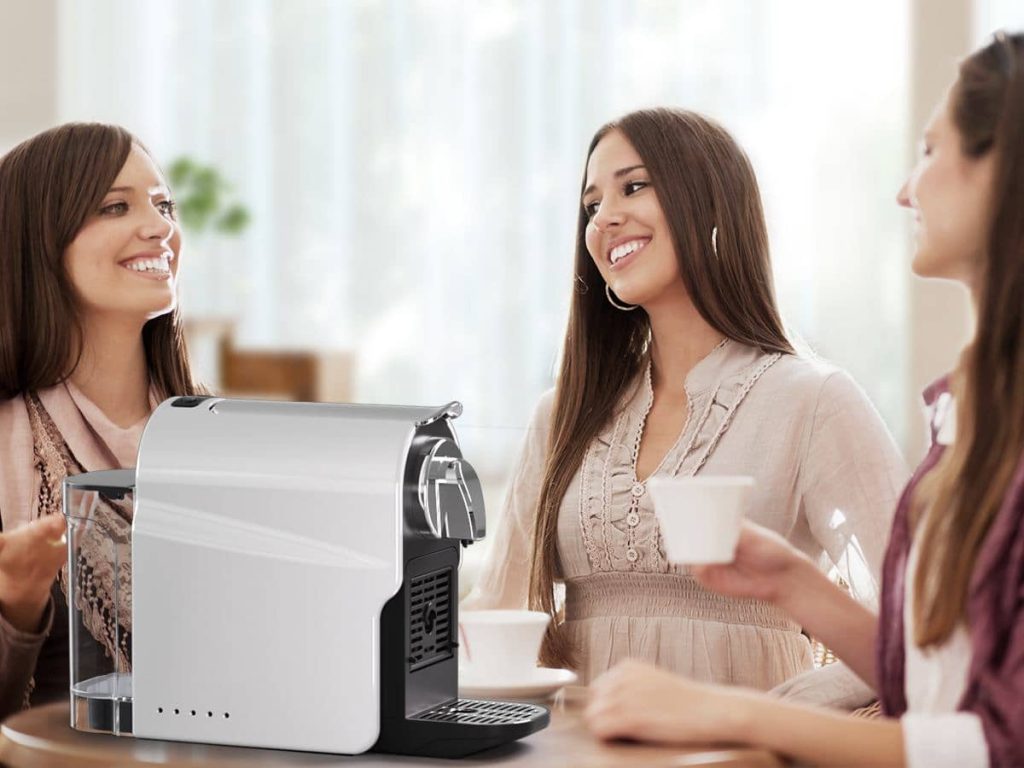
Types Of Home Coffee Machine Explained
Choosing the right home coffee machine starts with understanding the different machine types. Each option suits different coffee habits, budgets, and experience levels.
| Machine Type | Best For | Advantages | Limitations |
|---|---|---|---|
| Drip Coffee Maker | Families and basic daily coffee | Affordable and easy to use | Limited drink variety |
| Capsule Coffee Machine | Busy users wanting convenience | Fast brewing and simple cleanup | Higher pod costs |
| Semi-Automatic Espresso Machine | Espresso lovers and hobbyists | Better flavor control and café-style drinks | Requires practice |
| Bean-To-Cup Machine | Users wanting automation and fresh grinding | Convenient all-in-one brewing | Higher maintenance |
| Compact Coffee Machine | Small kitchens and apartments | Space-saving and portable | Smaller water capacity |
KONMO offers several home brewing solutions, including capsule coffee machines, compact espresso systems, and portable coffee makers designed for modern households and small kitchens.
Key Home Coffee Machine Features To Consider
Features directly affect brewing quality, convenience, and long-term user experience. Before buying, focus on functions that match your daily routine instead of choosing unnecessary extras.
Important features include the following:
- PID temperature control for stable extraction
- Built-in grinder for fresher coffee flavor
- Milk frother or steam wand for cappuccino and latte
- Programmable brewing settings for convenience
- Dual thermoblock systems for faster heating
- Removable water tanks for easier cleaning
- Compact design for limited kitchen space
For espresso machines, stable pressure and temperature control are especially important because they directly influence crema quality and flavor consistency.
Choosing A Home Coffee Machine Based On Your Coffee Habits
Your coffee habits should guide your buying decision.
Convenience-Focused Users
If speed matters most, capsule coffee machines are usually the best option. They require minimal setup, brew quickly, and are easy to clean.
Espresso Enthusiasts
Coffee lovers who enjoy hands-on brewing often prefer semi-automatic espresso machines. These models provide more control over grind size, extraction time, and milk texture.
Budget-Conscious Buyers
Bean-to-cup or drip coffee machines may provide better long-term value because they reduce capsule expenses over time.
Families And Entertainers
Large households benefit from machines with bigger water tanks, faster brewing speeds, and multiple drink options.
Capsule Vs. Espresso Vs. Bean-To-Cup Home Coffee Machine
Each machine category offers different advantages depending on user priorities.
| Machine Type | Best Advantage | Main Drawback |
|---|---|---|
| Capsule Machine | Convenience and speed | Higher cost per cup |
| Espresso Machine | Better coffee quality and customization | Learning curve |
| Bean-To-Cup Machine | Fresh grinding with automation | More cleaning required |
Capsule machines work well for busy routines, while espresso systems suit users who value café-style coffee experiences. Bean-to-cup machines balance convenience and freshness for daily use.
How To Choose A Home Coffee Machine For Small Kitchens
Kitchen space is an important consideration when choosing a coffee machine. Large espresso systems may require additional room for grinders, milk pitchers, and accessories.
For smaller kitchens, compact machines are usually more practical because they:
- Take up less counter space
- Store more easily
- Use smaller water tanks
- Simplify daily cleaning
Compact capsule systems and portable espresso machines are especially popular among apartment users and minimalist households.
Before purchasing, measure your available counter space and check whether the water tank and drip tray can be removed comfortably. Slim designs often improve usability in tighter kitchens.
Is A Home Coffee Machine Worth Buying In 2026?
When A Home Coffee Machine Is A Smart Investment
For many households, buying a home coffee machine in 2026 is a practical long-term investment. Coffee consumption at home continues to grow as more people work remotely and look for café-style drinks without daily coffee shop spending.
A home coffee machine is especially worth it if you:
- Drink coffee every day
- Buy café drinks frequently
- Want better control over coffee quality
- Need faster morning routines
- Enjoy customizing drinks at home
For example, spending $4–$5 daily at a coffee shop can easily exceed $1,500 per year. In comparison, home brewing often reduces the average cost per cup to under $1 depending on the beans and machine type used.
Modern machines also offer better convenience than older models. Features like programmable brewing, fast-heating systems, and automatic milk frothing make home coffee preparation much easier for beginners.
Many consumers now also prefer compact and energy-efficient appliances. KONMO develops coffee machines designed for modern home use, including capsule coffee machines, portable coffee makers, and semi-automatic espresso systems suitable for different lifestyles.
Situations Where A Home Coffee Machine May Not Be Necessary
Although home coffee machines offer many benefits, they are not ideal for everyone.
You may not need one if you:
- Drink coffee only occasionally
- Prefer buying coffee during commuting
- Have very limited kitchen space
- Do not want regular cleaning and maintenance
- Prefer convenience over brewing involvement
Entry-level coffee machines still require some cleaning, descaling, and routine care. Espresso machines especially need more user attention than capsule systems.
For occasional coffee drinkers, a simple manual brewer or compact capsule machine may be more practical than a large espresso setup.
Final Thoughts On Choosing The Best Home Coffee Machine
A good home coffee machine can improve convenience, reduce long-term coffee expenses, and create a better daily coffee experience. However, the right choice depends on your habits, budget, kitchen size, and preferred brewing style.
Before buying, focus on:
| Key Factor | Why It Matters |
|---|---|
| Brewing Style | Determines machine type |
| Daily Usage | Affects long-term value |
| Kitchen Space | Impacts machine size selection |
| Maintenance Needs | Influences user experience |
| Drink Preferences | Helps narrow feature priorities |
If you value convenience, capsule coffee machines are often the easiest solution. If you enjoy café-style espresso and milk drinks, semi-automatic espresso machines usually provide better customization and flavor control.
The best home coffee machine is not always the most expensive model. It is the machine that fits naturally into your daily routine and consistently delivers coffee you enjoy.
A home coffee machine can be a worthwhile investment for people who value convenience, coffee quality, and long-term savings. Instead of spending money at coffee shops every day, you can prepare fresh coffee at home while adjusting flavor, strength, milk type, and brewing style to match your preferences.
For daily coffee drinkers, families, remote workers, and espresso enthusiasts, a home coffee machine often provides better value over time. At the same time, choosing the right machine is important. Factors like kitchen space, maintenance requirements, brewing habits, and budget all affect which model fits best.
Capsule coffee machines are ideal for convenience and speed, while semi-automatic espresso machines offer greater control and café-style results. Compact machines also make home brewing possible even in smaller kitchens.
Brands like KONMO provide different home coffee machine solutions for modern households, including capsule systems, portable coffee makers, and espresso machines designed for both convenience and coffee quality.
Before buying, focus on what matters most to your daily routine. The best home coffee machine is the one that fits your lifestyle, delivers consistent coffee you enjoy, and makes your mornings easier every day.
FAQ
What is the best way to clean a home coffee machine?
You should clean your home coffee machine regularly to maintain coffee quality and machine performance. Daily cleaning usually includes rinsing removable parts, emptying the drip tray, and wiping the steam wand after use.
For deeper maintenance:
- Descale the machine every 1–3 months
- Replace water filters when needed
- Clean milk systems immediately after use
- Remove old coffee oils from brewing components
Regular maintenance helps improve flavor consistency and can extend machine lifespan significantly.
How long does a home coffee machine usually last?
Most home coffee machines last between 5 and 10 years depending on build quality, usage frequency, and maintenance habits.
Machines with stable internal components and proper cleaning routines generally last longer. Neglecting descaling and cleaning often leads to reduced brewing performance and earlier equipment failure.
Can you use any coffee beans in a home coffee machine?
Most home coffee machines work with a wide variety of coffee beans. However, the ideal roast level depends on the machine type.
- Medium and dark roasts are commonly used for espresso
- Light roasts may work better for drip brewing
- Freshly roasted beans usually provide better aroma and crema
Grinding coffee immediately before brewing also improves flavor freshness.
Is a home coffee machine safe for beginners?
Yes. Many modern home coffee machines are designed for beginners and include automatic safety features such as the following:
- Auto shut-off systems
- Temperature protection
- Stable brewing pressure control
- Simple touchscreen or one-button operation
Capsule coffee machines are generally the easiest option for first-time users because they require minimal setup and cleaning.
What should you do if your home coffee machine stops working?
If your coffee machine stops working, first check basic issues such as the following:
- Power connection
- Water supply
- Blocked filters
- Empty water tank
- Mineral buildup
Cleaning and descaling solve many common brewing problems. If the issue continues, follow the manufacturer’s troubleshooting guide or contact customer support for technical assistance.
Are capsule coffee machines or espresso machines better?
It depends on your coffee habits and priorities.
| Machine Type | Best For |
|---|---|
| Capsule Coffee Machine | Convenience and fast brewing |
| Espresso Machine | Better customization and café-style coffee |
Capsule systems are easier for busy users, while espresso machines offer more control over extraction, milk frothing, and drink quality.
Which home coffee machine is best for small kitchens?
Compact capsule coffee machines and slim espresso systems are usually best for smaller kitchens because they save counter space and simplify storage.
KONMO offers compact home coffee machine options designed for apartments, offices, and smaller home setups while still supporting quality daily brewing.