
Espresso machines are generally divided into three main categories: manual espresso machines, semi-automatic espresso machines, and fully automatic espresso machines. Each type offers a different balance of control, convenience, brewing consistency, and user involvement. Manual models focus on hands-on extraction control; semi-automatic machines combine customization with easier operation, while fully automatic espresso machines prioritize speed and convenience for everyday coffee preparation. Understanding these differences helps home users, cafés, offices, and coffee brands choose the right espresso machine for their brewing needs.
Key Takeaways
- Manual espresso machines offer maximum control over pressure, extraction, and brewing technique but require more practice and skill.
- Semi-automatic espresso machines provide the best balance between customization and convenience for most coffee users.
- Fully automatic espresso machines simplify brewing with one-touch operation and consistent daily performance.
- Espresso machine selection should consider brewing experience, drink volume, maintenance needs, and long-term usage costs.
- KONMO provides semi-automatic, capsule-compatible, and multi-system espresso machine solutions for home, office, hospitality, and OEM coffee projects.
Manual Espresso Machines
What Are Manual Espresso Machines
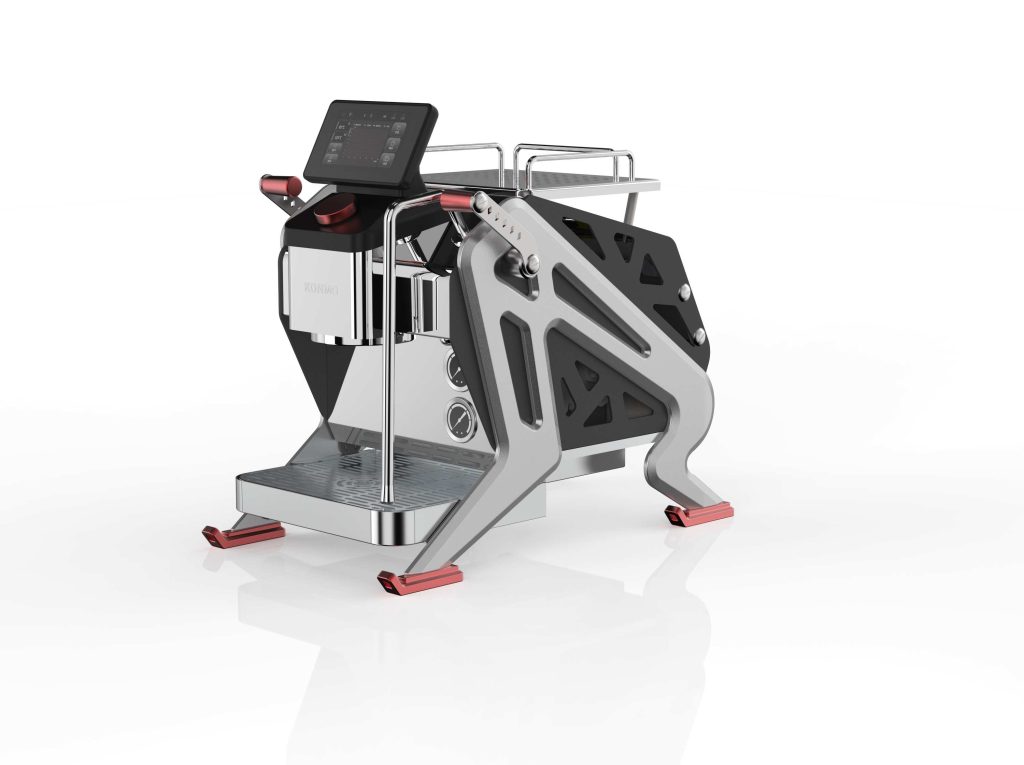
Manual espresso machines are designed for coffee enthusiasts who want complete control over espresso extraction. Users manually control grinding, tamping, pressure application, and shot timing, allowing deeper customization of flavor, crema, and extraction balance. Most manual espresso machines use lever systems or pressure-controlled brewing mechanisms instead of fully automated programs.
Compared with automatic systems, manual espresso machines typically require more user skill but offer greater flexibility for experienced coffee users seeking café-style espresso quality at home. Premium manual machines commonly use 58mm commercial-grade portafilters and operate within the standard 8–10 bar extraction range for espresso brewing.
How Manual Espresso Machines Work
Manual espresso machines require users to complete nearly every brewing step manually. Coffee beans are ground separately, tamped into the portafilter, and inserted into the group head. The user then controls pressure and extraction time through a lever or flow-control system.
Because pressure and water flow can be adjusted manually, experienced users can experiment with pre-infusion, pressure profiling, and extraction timing to improve sweetness, body, and crema texture. This level of control makes manual espresso machines popular among specialty coffee enthusiasts and professional baristas.
Pressure Control in Manual Espresso Machines
Pressure stability directly affects espresso flavor and crema quality. Advanced manual espresso machines often include pressure profiling or flow-control systems that allow users to adjust extraction pressure throughout the brewing cycle.
For example, some high-end lever machines allow gradual pressure ramp-up during pre-infusion, helping improve extraction uniformity and reduce channeling. This brewing style is especially useful for light-roast specialty coffee beans that require more precise extraction control.
Pros and Cons of Manual Espresso Machines
Manual espresso machines provide excellent extraction flexibility and long-term durability, but they also demand more time and learning.
Advantages:
- Maximum extraction control
- Better customization for experienced users
- Stronger barista-style brewing experience
- Long equipment lifespan with simpler mechanical structures
- Lower long-term maintenance costs
Disadvantages:
- Steeper learning curve
- Slower workflow
- Requires separate grinder
- Less convenient for beginners or busy environments
Best Users for Manual Espresso Machines
Manual espresso machines are best suited for:
- Specialty coffee enthusiasts
- Experienced home baristas
- Users who enjoy hands-on brewing
- Coffee hobbyists experimenting with extraction techniques
They are less suitable for high-volume offices or users prioritizing speed and convenience.
Semi-Automatic Espresso Machines
What Are Semi-Automatic Espresso Machines
Semi-automatic espresso machines combine manual brewing control with automated pressure and water delivery systems. Users still control grinding, tamping, and shot timing, but the machine automatically maintains brewing pressure and temperature stability.
This category is one of the most popular espresso machine types worldwide because it offers both customization and operational convenience. Many specialty cafés and premium home coffee setups rely on semi-automatic espresso machines for their balance of consistency and flexibility.
KONMO semi-automatic espresso machines are designed for home users, boutique cafés, office coffee spaces, and OEM coffee equipment projects requiring stable extraction and customizable configurations.
How Semi-Automatic Espresso Machines Work
Semi-automatic espresso machines automate water pressure while allowing users to control shot timing manually. After grinding and tamping coffee, users start and stop extraction using buttons or switches.
This setup gives users more consistency than manual machines while still allowing adjustments for:
- Grind size
- Brew ratio
- Extraction time
- Milk frothing texture
- Water temperature
KONMO semi-automatic espresso machines use stable heating systems and commercial-style brewing structures to improve extraction consistency and crema performance during daily use.
Boiler Systems in Semi-Automatic Espresso Machines
Boiler design significantly affects espresso machine stability and workflow efficiency.
Common systems include:
- Heat exchange boilers
- Dual boiler systems
- Thermoblock heating systems
Dual boiler systems provide the best temperature stability because brewing and steaming operate independently. Heat exchange systems improve workflow efficiency by allowing simultaneous brewing and milk steaming. Thermoblock systems heat quickly but may show larger temperature fluctuations during continuous operation.
KONMO espresso machine solutions support stable temperature control and efficient brewing performance for both residential and light commercial coffee applications.
Pros and Cons of Semi-Automatic Espresso Machines
Advantages:
- Balanced control and convenience
- Better extraction consistency
- Suitable for milk-based drinks
- Widely used in specialty coffee environments
- Strong customization flexibility
Disadvantages:
- Requires some brewing knowledge
- Regular cleaning and maintenance needed
- Slower than fully automatic systems
Best Applications for Semi-Automatic Espresso Machines
Semi-automatic espresso machines work well for:
- Home coffee enthusiasts
- Small cafés
- Boutique hotels
- Office coffee areas
- Specialty beverage shops
They are ideal for users wanting café-style coffee quality without the complexity of fully manual brewing.
Fully Automatic Espresso Machines
What Are Fully Automatic Espresso Machines
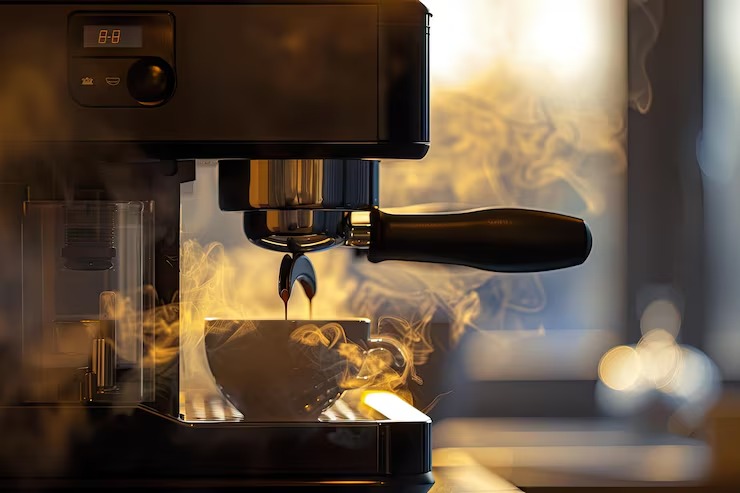
Fully automatic espresso machines automate nearly every brewing process, including grinding, dosing, tamping, extraction, and in some models, milk frothing. Users typically press one button to prepare espresso, cappuccino, latte, or Americano drinks.
Because of their simplicity and speed, fully automatic espresso machines are widely used in offices, hotels, self-service coffee stations, and busy households.
How Fully Automatic Espresso Machines Work
Fully automatic systems use integrated grinders, brewing chambers, pressure systems, and programmable software to complete brewing automatically.
Most systems include:
- Built-in burr grinders
- Automatic dosing systems
- Pre-programmed extraction settings
- Automatic milk frothing
- Self-cleaning cycles
These machines prioritize consistency and operational efficiency over manual extraction customization.
Smart Features in Fully Automatic Espresso Machines
Modern fully automatic espresso machines increasingly include:
- Touchscreen controls
- Programmable drink recipes
- Automatic descaling reminders
- Adjustable beverage volume
- Smart temperature management
- Multi-drink memory settings
These features improve convenience in high-frequency daily coffee use.
Pros and Cons of Fully Automatic Espresso Machines
Advantages:
- One-touch brewing convenience
- Fast drink preparation
- Consistent daily performance
- Minimal learning curve
- Ideal for high-volume use
Disadvantages:
- Less extraction flexibility
- Higher maintenance complexity
- More expensive repair costs
- Limited manual brewing customization
Best Applications for Fully Automatic Espresso Machines
Fully automatic espresso machines are ideal for:
- Offices
- Hotels
- Self-service beverage stations
- Convenience-focused households
- High-volume coffee environments
They are especially suitable for users prioritizing speed, workflow efficiency, and simplified operation.
Espresso Machines Comparison by Features and Performance
Espresso Machines Extraction Control and Consistency
Manual espresso machines provide the highest extraction control but depend heavily on user skill. Semi-automatic machines improve consistency while preserving brewing flexibility. Fully automatic systems deliver the most stable repeatability but offer fewer customization options.
Espresso Machines: Ease of Use and Learning Curve
Manual espresso machines require the most practice and technical understanding. Semi-automatic machines reduce difficulty while still requiring some brewing knowledge. Fully automatic espresso machines are beginner-friendly and require minimal training.
Espresso Machines Maintenance and Cleaning Requirements
Manual espresso machines have simpler internal structures and lower maintenance complexity. Semi-automatic systems require regular group head cleaning and descaling. Fully automatic machines often include automatic cleaning programs but may require more frequent internal maintenance due to integrated grinders and milk systems.
Espresso Machines Size, Capacity, and Workflow
Fully automatic espresso machines generally support higher drink output and faster workflow efficiency. Semi-automatic machines offer better drink customization but slower preparation speed. Manual machines focus more on brewing precision than production capacity.
Espresso Machine Prices and Long-Term Value
Manual espresso machines often provide strong long-term durability and lower repair costs. Semi-automatic machines balance price, performance, and flexibility. Fully automatic systems may have higher initial investment and maintenance costs but improve convenience and labor efficiency.
How to Choose the Right Espresso Machines
Choosing Espresso Machines for Home Coffee Brewing
Home users should consider:
- Brewing experience
- Daily coffee volume
- Milk drink preferences
- Available kitchen space
- Cleaning requirements
Semi-automatic espresso machines are often the best overall option for users wanting both quality and flexibility.
Choosing Espresso Machines for Cafés and Commercial Use
Commercial buyers should evaluate:
- Hourly drink capacity
- Boiler stability
- Steam performance
- Maintenance accessibility
- After-sales support
- Workflow efficiency
KONMO provides OEM and private label espresso machine solutions for hospitality, office coffee, and specialty beverage projects.
Choosing Espresso Machines Based on Budget
Entry-level espresso machines usually focus on convenience and compact design, while premium systems offer dual boilers, PID temperature control, pressure profiling, and higher-grade components.
Long-term maintenance, repair accessibility, and spare parts availability should also be considered alongside the initial purchase price.
Choosing Espresso Machines Based on Coffee Preferences
Users focused on espresso quality and extraction experimentation often prefer manual or semi-automatic espresso machines. Users prioritizing speed and convenience generally prefer fully automatic systems.
Espresso Machines Market Trends and Buying Considerations
Energy-Efficient Espresso Machines
Energy-saving heating systems, intelligent standby modes, and recyclable materials are becoming increasingly important in modern espresso machine design as buyers focus more on sustainability and electricity efficiency.
Capsule-Compatible Espresso Machines
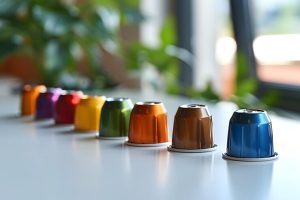
Capsule-compatible espresso machines continue growing in popularity because they simplify brewing, reduce preparation time, and improve cleaning convenience for offices and home users.
KONMO provides capsule-compatible espresso machines supporting multiple coffee capsule systems for flexible beverage applications.
Multi-System Espresso Machines
Multi-system espresso machines allow users to switch between capsules, pods, and ground coffee within one machine. This flexibility is increasingly attractive for hospitality and OEM coffee equipment markets.
OEM and Private Label Espresso Machines for Coffee Brands
Many coffee brands now seek OEM espresso machine suppliers offering the following:
- Custom branding
- Product customization
- Packaging design
- Certification support
- Flexible manufacturing capacity
KONMO supports OEM and private label espresso machine projects for global distributors, coffee brands, and commercial beverage businesses.
The three main types of espresso machines — manual, semi-automatic, and fully automatic — are designed for different brewing styles, skill levels, and daily coffee needs. Manual espresso machines offer maximum extraction control for experienced coffee enthusiasts, while semi-automatic espresso machines provide a practical balance between customization and convenience. Fully automatic espresso machines focus on speed, consistency, and one-touch operation for busy homes, offices, and commercial beverage environments.
When choosing espresso machines, buyers should consider brewing experience, drink volume, maintenance requirements, workflow efficiency, and long-term operating costs. Features such as boiler stability, pressure control, milk frothing capability, and cleaning convenience all directly affect coffee quality and daily usability.
As global demand for specialty coffee continues growing, modern espresso machines are also becoming more energy-efficient, compact, and versatile. Capsule-compatible systems, multi-system brewing technology, and OEM customization are increasingly important for both consumers and coffee equipment brands.
KONMO provides semi-automatic espresso machines, capsule-compatible coffee machines, and multi-system espresso solutions for home coffee users, hospitality projects, office coffee systems, and private label coffee equipment brands. With stable manufacturing capability and flexible OEM support, KONMO helps global coffee businesses develop practical and reliable espresso machine solutions for different market needs.
FAQ
What are the three main types of espresso machines?
The three main types of espresso machines are manual espresso machines, semi-automatic espresso machines, and fully automatic espresso machines. Each type offers different levels of brewing control, convenience, and automation for different coffee users.
Which espresso machines are best for beginners?
Fully automatic espresso machines are usually best for beginners because they automate grinding, dosing, extraction, and milk frothing. Users can prepare espresso drinks quickly with minimal training or brewing knowledge.
Are semi-automatic espresso machines better than fully automatic models?
Semi-automatic espresso machines provide more brewing flexibility and extraction control than fully automatic models. They are popular among home baristas and specialty cafés because users can adjust grind size, shot timing, and milk texture more precisely.
Do manual espresso machines make better coffee?
Manual espresso machines can produce excellent espresso quality when used correctly because users control pressure and extraction variables directly. However, brewing consistency depends heavily on user skill and experience.
How long do espresso machines usually last?
Well-maintained espresso machines can last 5–15 years depending on build quality, usage frequency, and maintenance habits. Stainless steel boilers, commercial-grade components, and regular descaling can significantly extend machine lifespan.
What pressure should espresso machines use?
Most espresso machines operate around 9 bars of brewing pressure during extraction. Many machines advertise 15–20 bar pump pressure, but stable extraction pressure near 9 bar is generally considered ideal for espresso brewing.
Are capsule-compatible espresso machines worth buying?
Capsule-compatible espresso machines are popular because they simplify coffee preparation and reduce cleaning time. They work well for offices, hotels, and home users who prioritize convenience and consistent daily brewing.
What should commercial buyers consider when choosing espresso machines?
Commercial buyers should evaluate:
- Daily beverage volume
- Boiler capacity
- Temperature stability
- Steam performance
- Maintenance accessibility
- OEM customization options
- Long-term after-sales support
KONMO supports OEM and private label espresso machine projects for hospitality businesses, office coffee systems, distributors, and coffee equipment brands worldwide.