Choosing the right coffee maker material affects more than appearance. It directly influences coffee flavor, heat retention, durability, cleaning difficulty, and long-term safety. Stainless steel, glass, ceramic, and food-grade plastics all perform differently under daily brewing temperatures that often reach 90–96°C. For home users, offices, and coffee enthusiasts, selecting the proper coffee maker material helps improve brewing consistency and reduce maintenance problems over time.
KONMO develops home coffee machines, capsule coffee machines, and portable coffee makers using food-grade materials designed for stable brewing performance, safer hot-water contact, and easier long-term maintenance. Models like the KONMO KM-S100 Home Coffee Machine combine stainless steel structural components with certified food-contact materials to support daily brewing reliability.
Key Takeaways
- Stainless steel coffee makers offer the best balance of durability, flavor neutrality, and heat resistance.
- Glass and ceramic coffee makers preserve coffee aroma well but require more careful handling.
- Food-grade certifications like CE, CB, RoHS, and LFGB help improve coffee safety.
- Plastic coffee makers are lightweight and affordable but may absorb odors over time.
- The best coffee maker material depends on brewing habits, cleaning frequency, budget, and usage environment.
Coffee Maker Material Types Explained
Stainless Steel Coffee Maker Benefits
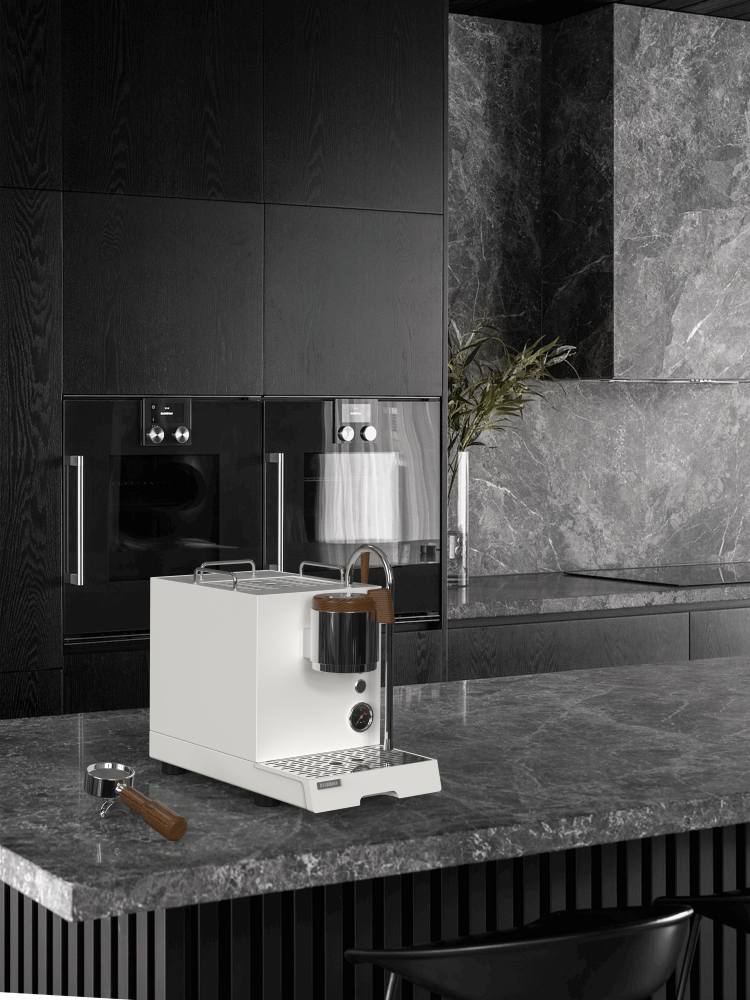
Stainless steel remains one of the most widely used coffee maker materials in modern coffee equipment. Food-grade 304 stainless steel resists corrosion, handles high brewing temperatures, and does not easily affect coffee flavor. Compared with aluminum or plastic, stainless steel also offers stronger structural durability and longer service life.
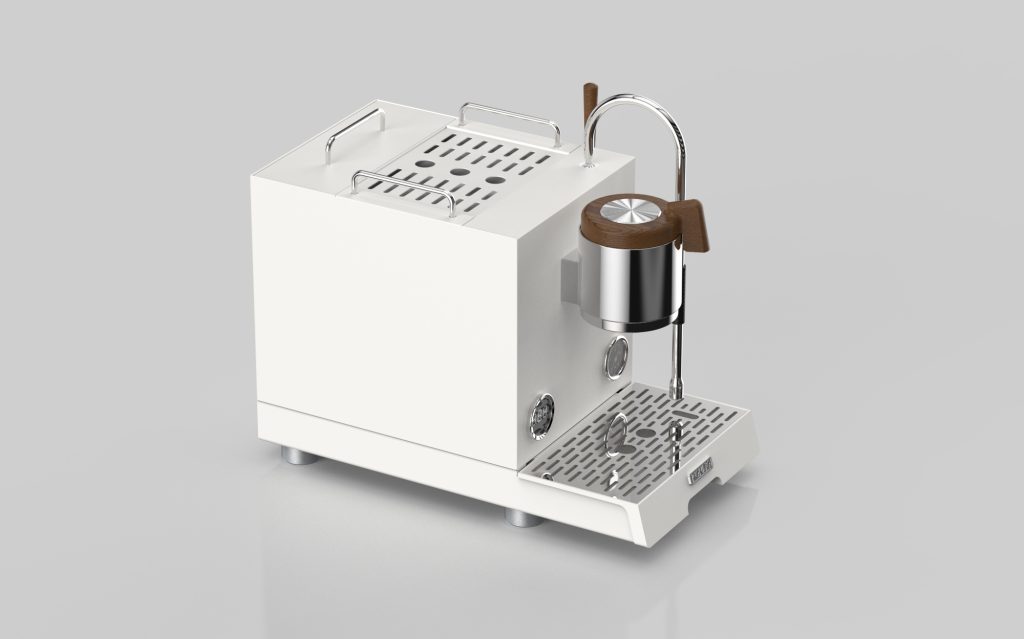
Many commercial coffee machines and premium home espresso machines use stainless steel boilers, steam wands, and internal brewing systems because the material performs more consistently during repeated daily heating cycles. KONMO coffee machines use certified stainless steel components in multiple brewing systems to improve durability and temperature stability for home and OEM applications.
Aluminum Coffee Maker Features
Aluminum coffee makers heat quickly and reduce overall machine weight, making them common in portable coffee equipment and moka pots. Their lower manufacturing cost also makes them attractive for entry-level coffee makers.
However, aluminum is more reactive than stainless steel. Over time, acidic coffee oils may slightly affect flavor consistency, especially if protective coatings wear down. Aluminum also scratches more easily during cleaning.
For occasional brewing or travel use, aluminum remains practical, but for long-term daily brewing, stainless steel generally provides better durability.
Glass Coffee Maker Advantages
Glass coffee makers are popular among pour-over users and home coffee enthusiasts because they preserve coffee flavor well without introducing metallic tastes. Borosilicate glass, commonly used in premium coffee equipment, offers stronger heat resistance than standard glass and tolerates rapid temperature changes more effectively.
Another advantage is visibility. Users can clearly observe extraction color, brew level, and cleanliness during brewing and maintenance.
The main limitation is fragility. Glass coffee makers require careful handling, especially in busy kitchens or office environments.
Ceramic Coffee Maker Brewing Experience
Ceramic coffee makers are valued for heat retention and stable brewing temperatures. Compared with thinner materials, ceramic retains warmth longer, helping brewed coffee maintain a smoother mouthfeel.
Many specialty coffee users prefer ceramic drippers because the material does not absorb coffee oils or odors easily. Ceramic also supports more stable extraction temperatures during manual brewing.
The downside is weight and breakability. Ceramic coffee makers are better suited for home kitchens than portable coffee applications.
Porcelain Coffee Maker Characteristics
Porcelain is a refined ceramic material with a smoother surface and denser structure. It retains heat effectively while providing a cleaner visual appearance often associated with premium coffee service.
Porcelain coffee accessories are frequently used in cafés and hospitality environments because they combine temperature retention with elegant presentation. Like ceramic, porcelain maintains flavor neutrality well but requires careful handling to prevent cracking.
Plastic Coffee Maker Pros and Cons
Plastic coffee makers are lightweight, affordable, and common in entry-level drip coffee machines and portable brewers. BPA-free plastics have improved safety standards significantly in recent years.
However, plastic components may absorb coffee odors and discolor over time after repeated exposure to heat and coffee oils. Lower-quality plastics may also degrade faster under long-term high-temperature brewing conditions.
For budget-conscious users or travel brewing, plastic remains practical, but for flavor preservation and longevity, stainless steel and glass generally perform better.
Summary Table: Coffee Maker Material Pros and Cons
| Coffee Maker Material | Main Advantages | Main Disadvantages | Best For |
|---|---|---|---|
| Stainless Steel | Durable, corrosion-resistant, neutral flavor, excellent heat resistance | Higher cost than plastic or aluminum | Espresso machines, daily home use, commercial coffee machines |
| Aluminum | Lightweight, fast heat transfer, affordable | May affect coffee flavor over time, scratches easily | Portable coffee makers, moka pots, travel brewing |
| Glass | Pure coffee flavor, easy to monitor brewing, modern appearance | Fragile, vulnerable to thermal shock | Pour-over coffee, specialty home brewing |
| Ceramic | Strong heat retention, stable extraction temperature, flavor-neutral | Heavy and breakable | Manual brewing, home coffee setups |
| Porcelain | Smooth surface, premium appearance, excellent heat retention | Fragile and more expensive | Café serving, premium home coffee experience |
| Plastic | Lightweight, affordable, portable, easy to carry | May absorb odors, lower long-term durability | Entry-level coffee makers, travel use |
When comparing coffee maker materials, stainless steel usually offers the best balance of durability, brewing stability, and long-term maintenance. Glass and ceramic perform especially well for flavor preservation, while aluminum and plastic remain practical choices for lightweight and budget-friendly coffee brewing equipment.
Coffee Maker Material Safety and Health Considerations
Non-Toxic Coffee Maker Material Options
Coffee brewing exposes materials to repeated high temperatures and hot water pressure. Because of this, food-safe materials are critical for long-term health and brewing safety.
Stainless steel, borosilicate glass, ceramic, and porcelain are widely recognized as safer coffee-contact materials because they remain chemically stable during heating. Many premium coffee machine manufacturers now prioritize BPA-free plastics and certified food-grade internal water systems.
KONMO coffee machines follow international production and material standards including CE, CB, and RoHS compliance for safer consumer applications.
BPA and PFAS Concerns in Coffee Maker Materials
BPA and PFAS have become major concerns in kitchen appliances because prolonged heat exposure may increase chemical migration risks in lower-grade plastics.
BPA is commonly associated with hormone-related health concerns, while PFAS chemicals have raised concerns related to environmental persistence and long-term exposure risks. Choosing BPA-free coffee makers with certified food-contact materials helps reduce these concerns.
For users prioritizing health and long-term safety, stainless steel and glass coffee makers remain the preferred options.
Coffee Maker Material Certifications and Food-Grade Standards
Reliable coffee machines typically include certifications confirming electrical safety, material compliance, and production quality standards. Important certifications include:
- CE: European safety compliance
- CB: International electrical safety certification
- RoHS: Restriction of hazardous substances
- LFGB/FDA food-contact standards
- ISO 9001: Manufacturing quality management
These certifications help confirm safer production processes and more stable product quality.
How Coffee Maker Materials Affect Coffee Taste
Coffee Maker Material Impact on Flavor Preservation
Coffee contains natural oils and acids that react differently with brewing materials. Stainless steel, glass, ceramic, and porcelain preserve flavor better because they remain relatively non-reactive during extraction.
Plastic components may absorb odors after repeated brewing cycles, while aluminum may slightly alter acidity perception in some coffee types.
For users focused on specialty coffee flavor clarity, glass and ceramic often provide the cleanest taste profile.
Coffee Maker Material Influence on Aroma and Mouthfeel
Heat retention affects both coffee aroma and mouthfeel. Ceramic and porcelain maintain warmth longer, helping preserve aroma concentration during serving.
Glass provides excellent flavor transparency, while stainless steel supports stronger thermal stability in espresso and pressure brewing systems.
The right material helps maintain extraction balance from the first sip to the final cup.
Coffee Maker Material Durability and Maintenance
Easy-to-Clean Coffee Maker Materials
Cleaning frequency strongly affects coffee quality. Stainless steel and glass surfaces resist oil buildup more effectively and simplify daily maintenance.
Ceramic and porcelain also clean well but require gentler handling. Plastic surfaces may retain odors more easily after repeated use.
For busy households and office coffee stations, stainless steel generally provides the best balance of cleaning convenience and durability.
Coffee Maker Material Durability and Heat Resistance
Coffee makers experience repeated heating cycles that gradually stress materials over time. Stainless steel offers the highest durability for long-term daily use, especially in espresso systems and commercial coffee equipment.
Borosilicate glass handles heat well but remains breakable under impact. Ceramic and porcelain provide excellent heat retention but require careful handling.
For portable coffee makers and outdoor brewing, lightweight aluminum and BPA-free plastics remain common, practical choices.
How to Choose the Best Coffee Maker Material
Choosing a Coffee Maker Material by Brewing Style
Different brewing methods benefit from different materials:
- Espresso machines: Stainless steel for pressure stability
- Pour-over coffee: Glass or ceramic for flavor clarity
- Portable coffee makers: Aluminum or BPA-free plastic for lighter weight
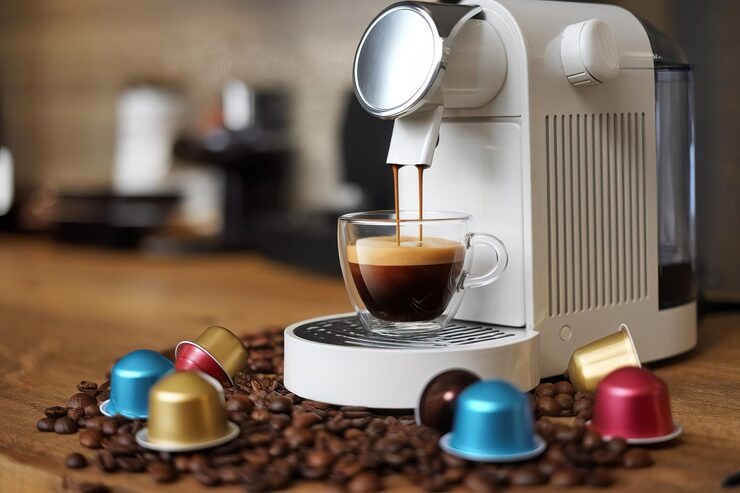
- Capsule coffee machines: Mixed stainless steel and food-grade polymer systems
KONMO develops coffee machines across multiple brewing formats, including capsule coffee machines, home espresso machines, and portable coffee makers, to support different coffee lifestyles.
Choosing a Coffee Maker Material Based on Budget and Lifestyle
Budget, maintenance habits, and daily usage frequency all influence material selection.
- Stainless steel: Best long-term durability and performance
- Glass: Excellent flavor purity and modern appearance
- Ceramic/Porcelain: Better heat retention and classic aesthetics
- Plastic: Lower cost and portability
Users who brew coffee daily generally benefit from investing in more durable materials with better heat stability and easier maintenance.
Best Coffee Maker Materials for Different Coffee Users
Different coffee users have very different brewing habits, cleaning routines, and portability needs. The best coffee maker material for a home espresso setup may not work well for travel brewing or commercial coffee service. Choosing the right material helps improve brewing consistency, maintenance efficiency, and long-term durability.
Best Coffee Maker Materials for Home Coffee Drinkers
For daily home brewing, stainless steel remains one of the most practical coffee maker materials because it combines durability, heat resistance, and flavor neutrality. It handles repeated daily use well and requires less maintenance than more fragile materials like glass or ceramic.
Glass and ceramic coffee makers are also popular among home coffee enthusiasts who focus on flavor clarity and manual brewing methods. Ceramic drippers and glass pour-over systems preserve coffee aroma well and help create cleaner extraction profiles for specialty coffee beans.
KONMO home coffee machines use food-grade stainless steel components and certified brewing systems designed for stable temperature control and long-term daily brewing performance.
Best Coffee Maker Materials for Travel and Portable Brewing
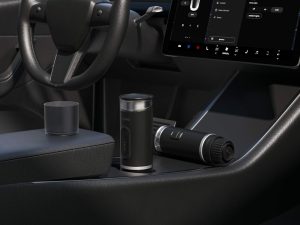
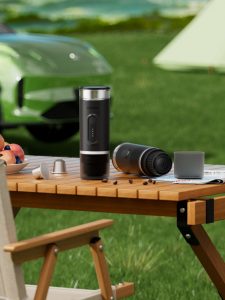
Portable coffee makers require lightweight materials that can handle movement, outdoor environments, and frequent transportation. Aluminum and BPA-free plastic are commonly used because they reduce overall machine weight and improve portability for camping, commuting, and travel brewing.
However, many premium portable coffee makers now combine stainless steel internal brewing systems with lightweight outer materials to improve durability and flavor consistency. Stainless steel also performs better under repeated high-temperature brewing conditions during outdoor use.
For camping coffee or mobile espresso brewing, lightweight construction and impact resistance become more important than visual appearance.
Best Coffee Maker Materials for Commercial Coffee Environments
Commercial coffee environments demand materials that tolerate continuous high-volume brewing, frequent cleaning, and long operating hours. Stainless steel is the dominant material in commercial coffee machines because it resists corrosion, maintains brewing stability, and supports easier sanitation.
Commercial cafés, hotels, offices, and beverage service environments often prioritize:
- Strong heat resistance
- Long-term structural durability
- Easy daily cleaning
- Stable pressure performance
- Food-grade safety compliance
Many commercial espresso machines use stainless steel boilers, steam systems, drip trays, and internal pipelines because the material handles repeated thermal cycling more effectively than plastic or aluminum.
For high-frequency coffee service environments, stainless steel remains the most reliable long-term coffee maker material choice.
Common Coffee Maker Material Mistakes to Avoid
Choosing the wrong coffee maker material can affect coffee flavor, machine lifespan, and long-term maintenance costs. Many buyers focus only on appearance or price while ignoring how the material performs during daily brewing.
Choosing Coffee Maker Materials Based Only on Appearance
A modern-looking coffee maker does not always provide better brewing performance. Some low-cost coffee makers use glossy plastic housings that look attractive initially but may discolor, absorb odors, or degrade after long-term heat exposure.
Glass and ceramic coffee makers often look premium in home kitchens, but they require more careful handling and may not suit busy households or office environments. Stainless steel may appear more industrial, but it usually performs better for long-term durability and brewing stability.
When choosing a coffee maker, material quality matters more than decorative finishes or trendy exterior designs.
Ignoring Coffee Maker Material Compatibility and Maintenance
Different materials require different cleaning routines and usage environments. Buyers sometimes choose materials that do not match their actual brewing habits.
For example:
- Glass coffee makers preserve flavor well but can crack under sudden temperature changes.
- Ceramic coffee makers retain heat effectively but are heavier and easier to chip.
- Plastic coffee makers are portable but may retain coffee oils and odors over time.
- Aluminum heats quickly but requires careful cleaning to reduce surface wear.
Users who brew coffee daily often benefit more from stainless steel systems because they simplify cleaning and handle repeated heating cycles more reliably.
Regular descaling, cleaning coffee oils, and using filtered water also help extend the lifespan of any coffee maker material.
Choosing the best material for a coffee maker is not only about appearance or price. The material directly affects brewing temperature stability, flavor preservation, maintenance difficulty, and long-term durability. Stainless steel remains one of the most reliable options for both home and commercial coffee brewing because it offers strong heat resistance, neutral flavor performance, and extended service life. Glass and ceramic coffee makers are ideal for users who prioritize flavor clarity and specialty brewing experiences, while aluminum and BPA-free plastic provide lighter and more portable solutions for travel and occasional use.
Before purchasing a coffee maker, it is important to consider your brewing habits, cleaning routine, daily usage frequency, and safety expectations. Food-grade certifications, durable construction, and material compatibility all contribute to better long-term coffee performance.
KONMO develops home coffee machines, capsule coffee machines, and portable coffee makers using certified food-grade materials designed for stable brewing performance and OEM coffee machine applications. Whether you need a durable stainless steel espresso system, a compact portable coffee maker, or a customizable capsule coffee machine, selecting the right coffee maker material helps create a safer, cleaner, and more enjoyable coffee experience every day.
FAQ
What is the best material for a coffee maker?
Stainless steel is generally considered the best all-around coffee maker material because it offers strong durability, high heat resistance, and neutral flavor performance. It also handles daily brewing and long-term cleaning better than most other materials.
Does coffee maker material affect coffee taste?
Yes. Coffee maker materials directly influence flavor preservation and aroma performance. Stainless steel, glass, ceramic, and porcelain maintain cleaner coffee flavors because they are less reactive during brewing. Plastic and aluminum may slightly affect taste after long-term use.
Are plastic coffee makers safe?
Modern BPA-free plastic coffee makers are safer than older plastic designs, but food-grade certifications still matter. Users concerned about long-term heat exposure and chemical safety often prefer stainless steel or glass brewing systems.
Which coffee maker material is easiest to clean?
Stainless steel and glass are usually the easiest coffee maker materials to maintain. Both resist coffee oil buildup relatively well and simplify daily cleaning. Ceramic and porcelain also clean effectively but require gentler handling.
What material is best for portable coffee makers?
Aluminum and BPA-free plastic are commonly used for portable coffee makers because they reduce weight and improve travel convenience. However, many premium portable coffee makers now use stainless steel brewing components for better durability and flavor stability.
Why do coffee maker certifications matter?
Certifications such as CE, CB, RoHS, LFGB, and ISO 9001 help confirm that a coffee maker meets safety, electrical, and food-contact standards. Certified coffee machines generally provide more reliable material quality and safer long-term use.
Is stainless steel better than glass for coffee makers?
Both materials perform well, but they suit different brewing preferences. Stainless steel offers better durability and heat resistance, while glass provides excellent flavor clarity and brewing visibility. Stainless steel is usually better for long-term heavy use, while glass is popular for manual brewing and specialty coffee preparation.