Using a coffee machine correctly is the key to making consistently rich, flavorful coffee at home, in the office, or in commercial spaces. From choosing the right coffee beans to adjusting brewing settings and maintaining your machine, every step affects the final taste in the cup.
Whether you use a capsule coffee machine, espresso machine, or portable coffee maker, understanding the proper brewing process helps improve extraction quality, milk texture, aroma, and machine performance. KONMO coffee machines are designed to simplify daily brewing while giving users more control over coffee strength, temperature, and beverage customization.
Key Takeaways
- Clean your coffee machine regularly to maintain stable brewing performance and better coffee flavor.
- Use freshly roasted coffee beans and grind them correctly for your brewing method.
- Filtered water helps improve coffee taste and reduces mineral buildup inside the coffee machine.
- Adjust coffee machine settings like temperature, strength, and volume based on different drink types.
- Proper milk frothing techniques create smoother foam for cappuccinos and lattes.
- Using the correct coffee-to-water ratio improves extraction consistency and aroma balance.
- Common coffee machine problems like weak extraction or bitter taste are often caused by poor cleaning or incorrect grind size.
- Consistent maintenance helps extend the lifespan of commercial and home coffee machines.
Coffee Machine Preparation Before Brewing

A proper coffee machine setup directly affects coffee flavor, extraction consistency, and long-term machine performance. Before brewing, always prepare the machine, ingredients, and water system carefully.
Coffee Machine Cleaning Essentials
A clean coffee machine produces cleaner flavor and more stable extraction. Old coffee oils, milk residue, and mineral buildup can quickly affect taste and reduce brewing efficiency.
Before using your coffee machine:
- Rinse the drip tray and water tank
- Clean the portafilter or capsule holder
- Wipe the steam wand after every use
- Remove leftover coffee grounds
- Check for scale buildup inside the machine
For espresso coffee machines, regular descaling is especially important because mineral deposits can affect brewing pressure and water temperature stability.
| Cleaning Frequency | Recommended Maintenance |
|---|---|
| Daily | Clean drip tray, steam wand, and brewing area |
| Weekly | Deep clean brew group and filter components |
| Monthly | Run a full descaling cycle |
KONMO coffee machines are designed with user-friendly cleaning structures that simplify daily maintenance and reduce long-term operational issues.
Choosing Coffee Beans & Grinding Correctly
Coffee beans determine the aroma, body, and flavor complexity of every cup. Freshly roasted coffee beans always provide better extraction and richer crema than old or pre-ground coffee.
For the best brewing results:
- Use freshly roasted coffee beans
- Store beans in airtight containers
- Avoid moisture, heat, and direct sunlight
- Grind coffee immediately before brewing
- Match grind size to the brewing method
Different coffee machines require different grind levels:
| Coffee Machine Type | Recommended Grind Size |
|---|---|
| Espresso Machine | Fine Grind |
| Drip Coffee Machine | Medium Grind |
| French Press | Coarse Grind |
| Capsule-Compatible Systems | Pre-measured Capsule |
Grinding coffee correctly improves extraction consistency and helps balance acidity, sweetness, and bitterness.
Water Quality & Coffee Machine Filter Setup
Water makes up most of a cup of coffee, so water quality significantly affects taste. Hard water can also shorten the lifespan of a coffee machine by creating mineral scale inside the boiler and pipes.
For better coffee quality:
- Use cold filtered water
- Avoid distilled water for espresso extraction
- Fill the reservoir to the recommended level
- Install filters correctly before brewing
- Replace water regularly instead of leaving it overnight
Filtered water helps create smoother flavor clarity while protecting the internal coffee machine system from buildup.
Some KONMO coffee machines support both independent water tanks and external water connections, offering flexible installation solutions for different commercial and residential environments.
How to Operate a Coffee Machine Properly
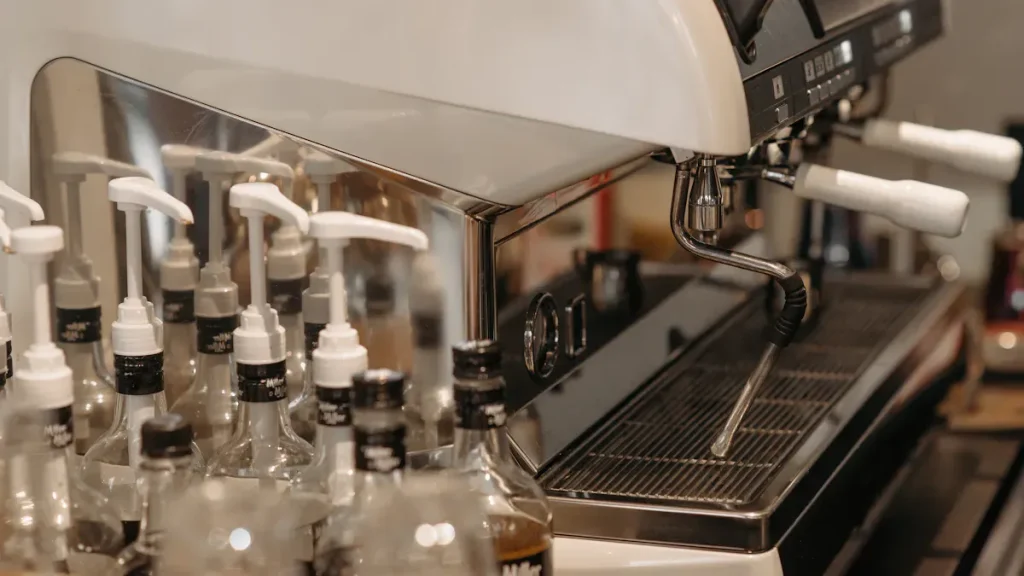
Once your coffee machine is prepared correctly, the brewing process becomes more consistent and easier to control. Proper operation improves extraction quality, reduces brewing mistakes, and helps create café-style coffee with better aroma, texture, and balance.
Modern coffee machines allow users to customize temperature, coffee strength, serving size, and milk frothing functions for different beverages and usage environments.
Adjusting Coffee Machine Settings for Different Drinks
Different coffee drinks require different brewing parameters. Adjusting your coffee machine settings correctly helps optimize flavor extraction and beverage texture.
For espresso-based drinks, finer grinding and higher extraction pressure usually create stronger flavor and richer crema. Larger coffee drinks often require more water volume and slightly lower concentration.
Key settings you can adjust include:
| Setting | Function |
|---|---|
| Coffee Strength | Controls extraction intensity |
| Water Volume | Adjusts cup size |
| Brewing Temperature | Impacts flavor balance |
| Pressure Control | Affects crema and extraction |
| Milk Frothing Level | Changes milk texture |
For balanced extraction, a common starting point is the following:
- 10g of coffee for approximately 180ml of water
- Brewing temperature between 195°F and 205°F
- Stable extraction pressure for espresso beverages
Many KONMO coffee machines support adjustable coffee strength, temperature selection, and multiple beverage customization options for different user preferences and commercial applications.
Step-by-Step Coffee Machine Brewing Process
Following a consistent brewing workflow helps improve coffee quality and operational efficiency.
Here is a standard coffee machine brewing process:
Step 1: Measure Coffee Correctly
Use approximately 1–2 tablespoons of coffee for every 6 oz of water, depending on desired strength.
Step 2: Adjust Grind Size
Use:
- Fine grind for espresso
- Medium grind for drip brewing
- Coarser grind for longer extraction methods
Step 3: Prepare the Coffee Machine
Insert the filter or portafilter properly and add the coffee grounds evenly.
Step 4: Fill the Water Tank
Always use fresh filtered water for stable extraction and cleaner taste.
Step 5: Start Brewing
Select the desired beverage size or brewing mode and begin extraction.
Step 6: Monitor Extraction
Good extraction should flow steadily without sputtering, overflow, or weak dripping.
Step 7: Taste and Adjust
If the coffee tastes
- Too bitter → use coarser grind or shorter extraction
- Too weak → use finer grind or more coffee
- Too sour → increase extraction slightly
Consistent brewing procedures help maintain beverage quality across home, office, and commercial coffee environments.
How to Froth Milk with a Coffee Machine
Milk frothing is essential for drinks like cappuccino, latte, flat white, and macchiato. Proper steaming creates smooth microfoam that improves texture and visual presentation.
To froth milk correctly:
- Pour cold milk into a stainless steel pitcher
- Position the steam wand slightly below the milk surface
- Tilt the pitcher to create a circular whirlpool motion
- Introduce air gradually during the early steaming stage
- Heat milk until it reaches approximately 140–150°F
- Tap and swirl the pitcher to remove large bubbles
Good milk froth should appear
- Smooth
- Glossy
- Velvety
- Free of large foam bubbles
Whole milk generally creates richer foam, while oat milk and alternative milk options may require different steaming techniques.
Coffee machines with stable steam pressure help create more consistent milk texture and improve workflow efficiency for daily beverage preparation.
Coffee Machine Serving Tips & Flavor Enhancement
Brewing coffee correctly is only part of the process. Proper serving techniques and flavor adjustments help improve aroma, mouthfeel, presentation, and overall drinking experience.
Small details such as pouring technique, cup selection, grind consistency, and brewing ratio can significantly affect the final result.
How to Pour Coffee Like a Barista
Professional coffee presentation improves both visual appeal and flavor balance. Controlled pouring also helps maintain crema structure and milk texture for espresso-based drinks.
For smoother coffee pouring:
- Use a steady and controlled hand movement
- Pour slowly to avoid splashing
- Use circular motion when pouring milk drinks
- Swirl milk before pouring for smoother texture
- Serve coffee immediately after extraction
Different beverages also require different cup styles:
| Coffee Type | Recommended Cup |
|---|---|
| Espresso | Small thick-wall espresso cup |
| Cappuccino | Wide ceramic cup |
| Latte | Taller milk-based coffee cup |
| Americano | Medium or large coffee mug |
Preheating the cup can also help maintain temperature stability and improve overall coffee experience.
For milk-based drinks, smooth microfoam allows better latte art performance and creates a more balanced texture between espresso and milk.
Improving Coffee Aroma & Taste from Your Coffee Machine
Several factors influence coffee aroma and flavor clarity. Even high-quality coffee beans can taste flat if brewing conditions are incorrect.
To improve coffee taste:
Use the Correct Coffee-to-Water Ratio
A balanced starting ratio is:
- 1–2 tablespoons of coffee per 6 oz of water
Too much water creates weak extraction, while excessive coffee may increase bitterness.
Control Water Temperature
The ideal brewing temperature is
- 195°F–205°F
Water that is too hot can over-extract coffee, while low temperatures often produce sour flavors.
Optimize Grind Size
Grind consistency directly affects extraction speed:
| Grind Size | Flavor Result |
|---|---|
| Too Fine | Bitter & over-extracted |
| Too Coarse | Weak & under-extracted |
| Even Grind | Balanced flavor |
Use Fresh Ingredients
Fresh coffee beans retain more aroma compounds and oils. Grinding immediately before brewing improves fragrance and flavor complexity.
Maintain Brewing Equipment
Old coffee oils and mineral buildup can negatively affect extraction and aroma quality. Regular cleaning helps maintain consistent taste.
Different brewing methods also create different flavor profiles:
- Espresso → concentrated and bold
- Drip coffee → smoother and cleaner
- Pour-over → brighter acidity and clarity
- Capsule coffee → convenient and consistent
Experimenting with brewing variables helps users discover flavor preferences that best match their coffee habits and beverage styles.
Common Coffee Machine Mistakes & Troubleshooting Tips
Even high-quality coffee machines can produce poor results if they are used incorrectly or maintained improperly. Understanding common coffee machine mistakes helps improve brewing consistency, extend machine lifespan, and reduce operational issues.
Most brewing problems are caused by incorrect grind size, poor cleaning habits, low-quality water, or improper machine settings.
Common Coffee Machine Mistakes to Avoid
Many coffee quality issues come from small but repeated mistakes during daily use.
Here are some of the most common coffee machine mistakes:
| Common Mistake | Result |
|---|---|
| Using old coffee beans | Flat aroma and weak flavor |
| Incorrect grind size | Bitter or sour extraction |
| Skipping machine cleaning | Burnt taste and machine buildup |
| Using poor-quality water | Mineral scale and flavor issues |
| Overfilling coffee grounds | Uneven extraction |
| Incorrect tamping pressure | Weak espresso crema |
| Ignoring descaling | Reduced machine performance |
Using Incorrect Coffee Measurements
Too much coffee can create over-extraction and bitterness, while too little coffee produces weak and watery drinks. Using a consistent coffee scale improves brewing accuracy.
Poor Cleaning Habits
Coffee oils and milk residue build up quickly inside coffee machines. Dirty brewing systems affect flavor and may clog internal components over time.
Wrong Grind Size
Different coffee machines require different grind levels:
- Espresso machines → fine grind
- Drip coffee machines → medium grind
- French press → coarse grind
Improper grinding is one of the most common causes of extraction problems.
Ignoring Water Quality
Hard water creates mineral deposits inside boilers and pipes. Filtered water helps improve both coffee flavor and machine durability.
KONMO coffee machines are designed with simplified maintenance structures that help users reduce cleaning difficulty and improve long-term operational stability.
Coffee Machine Troubleshooting for Better Performance
Most coffee machine problems can be solved with simple maintenance and brewing adjustments.
Here are common issues and solutions:
| Problem | Possible Cause | Solution |
|---|---|---|
| Coffee tastes bitter | Over-extraction | Use coarser grind or shorter brew time |
| Coffee tastes weak | Under-extraction | Use finer grind or more coffee |
| Slow brewing speed | Scale buildup | Run descaling cycle |
| Machine leaking | Blocked pipes or seals | Clean internal components |
| Low steam pressure | Steam wand blockage | Clean steam wand thoroughly |
| No crema on espresso | Old beans or low pressure | Use fresh beans and proper grind |
Descaling the Coffee Machine
Mineral buildup is one of the biggest causes of reduced coffee machine performance.
To descale properly:
- Mix descaling solution or vinegar with water
- Run the cleaning cycle
- Rinse the system thoroughly with clean water
- Repeat if heavy scale remains
Monthly descaling is recommended for areas with hard water.
Cleaning Milk Frothing Systems
Milk residue can quickly block steam systems and affect frothing performance. Always:
- Purge the steam wand after use
- Wipe the wand immediately
- Deep clean milk systems regularly
Monitoring Extraction Quality
Good espresso extraction should:
- Flow evenly
- Produce stable crema
- Avoid excessive dripping or sputtering
If extraction looks uneven, adjust:
- Grind size
- Tamping pressure
- Coffee dosage
Regular maintenance and proper operation help coffee machines maintain stable brewing performance for long-term daily use in both residential and commercial environments.
Learning how to use a coffee machine correctly helps improve coffee flavor, brewing consistency, and overall machine performance. From preparation and grinding to extraction, milk frothing, and maintenance, every step contributes to better coffee quality.
By using fresh coffee beans, filtered water, proper brewing settings, and regular cleaning routines, users can create smoother, more balanced coffee while extending the lifespan of their coffee machine.
Whether for home use, office coffee service, or commercial beverage preparation, choosing a reliable coffee machine and following correct brewing practices makes daily coffee preparation easier, more efficient, and more enjoyable.
FAQ
How do you use a coffee machine step by step?
To use a coffee machine correctly:
- Clean the coffee machine before brewing
- Fill the water tank with filtered water
- Add freshly ground coffee or capsules
- Adjust brewing settings if needed
- Start the brewing process
- Froth milk for milk-based drinks if required
- Clean the machine after use
Following proper brewing steps helps improve coffee flavor and machine performance.
What is the correct coffee-to-water ratio?
A common starting ratio is
- 1–2 tablespoons of coffee for every 6 oz of water
For stronger coffee, increase the coffee amount slightly. Espresso machines typically require finer grind sizes and more concentrated extraction ratios.
Why does my coffee taste bitter from a coffee machine?
Bitter coffee is usually caused by:
- Over-extraction
- Grind size that is too fine
- Water temperature that is too high
- Old coffee beans
- Dirty brewing components
Using fresh coffee beans, proper grind settings, and regular coffee machine cleaning helps improve flavor balance.
How often should a coffee machine be cleaned?
Basic cleaning should be done daily, including:
- Rinsing the drip tray
- Cleaning the portafilter
- Wiping the steam wand
Deep cleaning and descaling are usually recommended:
- Weekly for brew system cleaning
- Monthly for descaling
Regular maintenance helps maintain extraction quality and extends coffee machine lifespan.
What grind size should I use for different coffee machines?
Different coffee machines require different grind sizes:
| Coffee Machine Type | Recommended Grind |
|---|---|
| Espresso Machine | Fine |
| Drip Coffee Machine | Medium |
| French Press | Coarse |
| Pour-Over Coffee | Medium-Fine |
Using the correct grind size improves extraction consistency and flavor clarity.
Can filtered water improve coffee taste?
Yes. Filtered water helps:
- Improve flavor clarity
- Reduce bitterness
- Prevent mineral buildup
- Extend coffee machine lifespan
Since water makes up most of a cup of coffee, water quality directly affects brewing results.
How do you froth milk properly with a coffee machine?
To froth milk correctly:
- Use cold milk
- Position the steam wand slightly below the surface
- Create a whirlpool motion
- Heat milk to around 140–150°F
- Swirl the milk to remove large bubbles
Proper milk frothing creates a smoother texture for cappuccinos and lattes.
What causes low pressure in an espresso coffee machine?
Low pressure may be caused by:
- Scale buildup
- Blocked filters
- Incorrect grind size
- Insufficient coffee dosage
- Worn internal components
Regular cleaning and proper brewing adjustments help maintain stable espresso extraction performance.